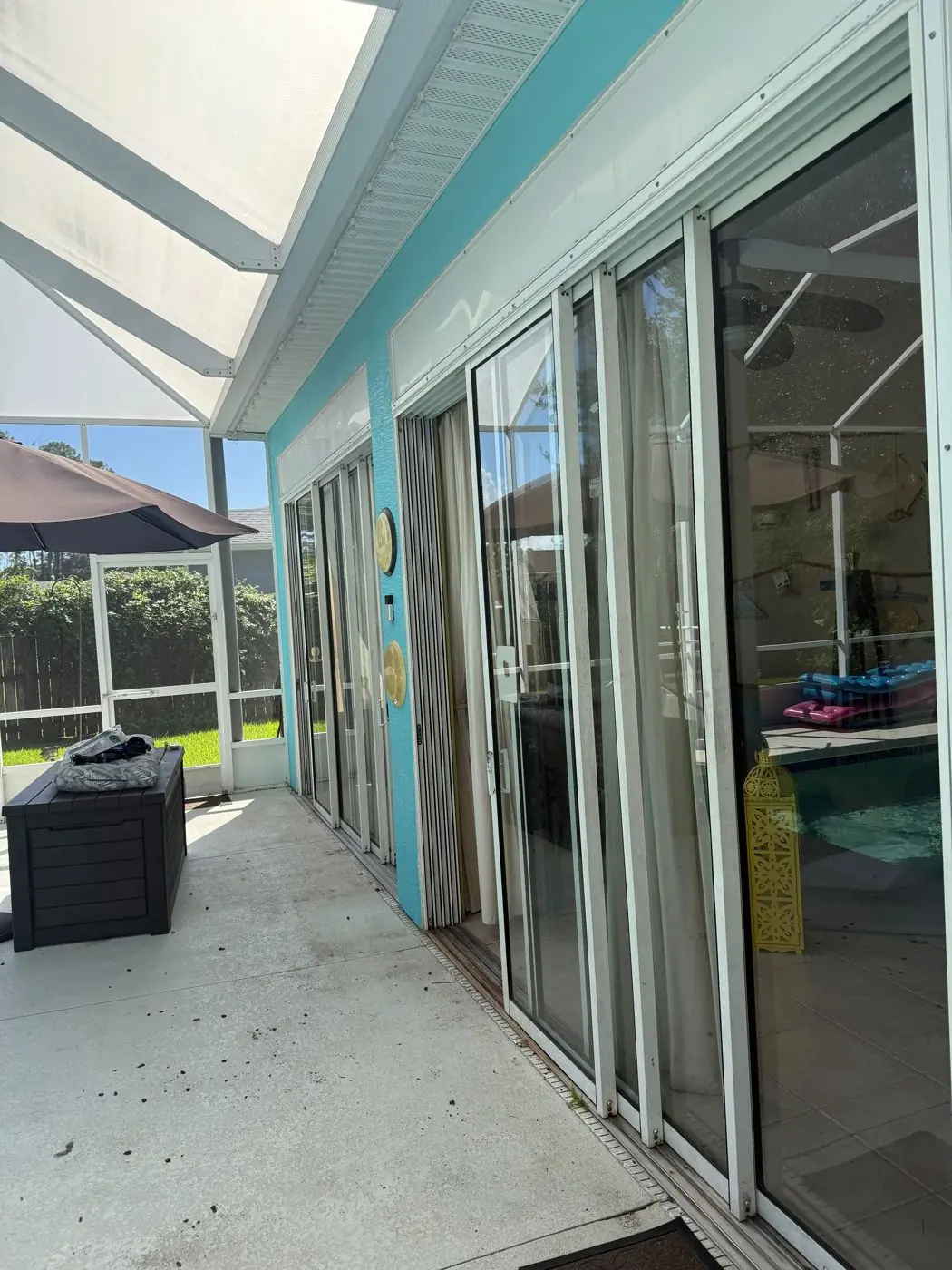
When a sliding door starts to stick, most people grab whatever spray is in the garage. Often that's WD-40 or grease, and it usually makes things worse within a few weeks.
Why oily sprays backfire
Oily and greasy products stay wet. In Florida, that wet film catches sand, pollen and dirt, which turns into a gritty paste. The paste wears down the rollers and the track faster than if you'd done nothing.
What to use instead
Dry silicone spray. It leaves a slick, dry film that doesn't hold onto dirt. Look for a product labeled "dry" silicone lubricant.
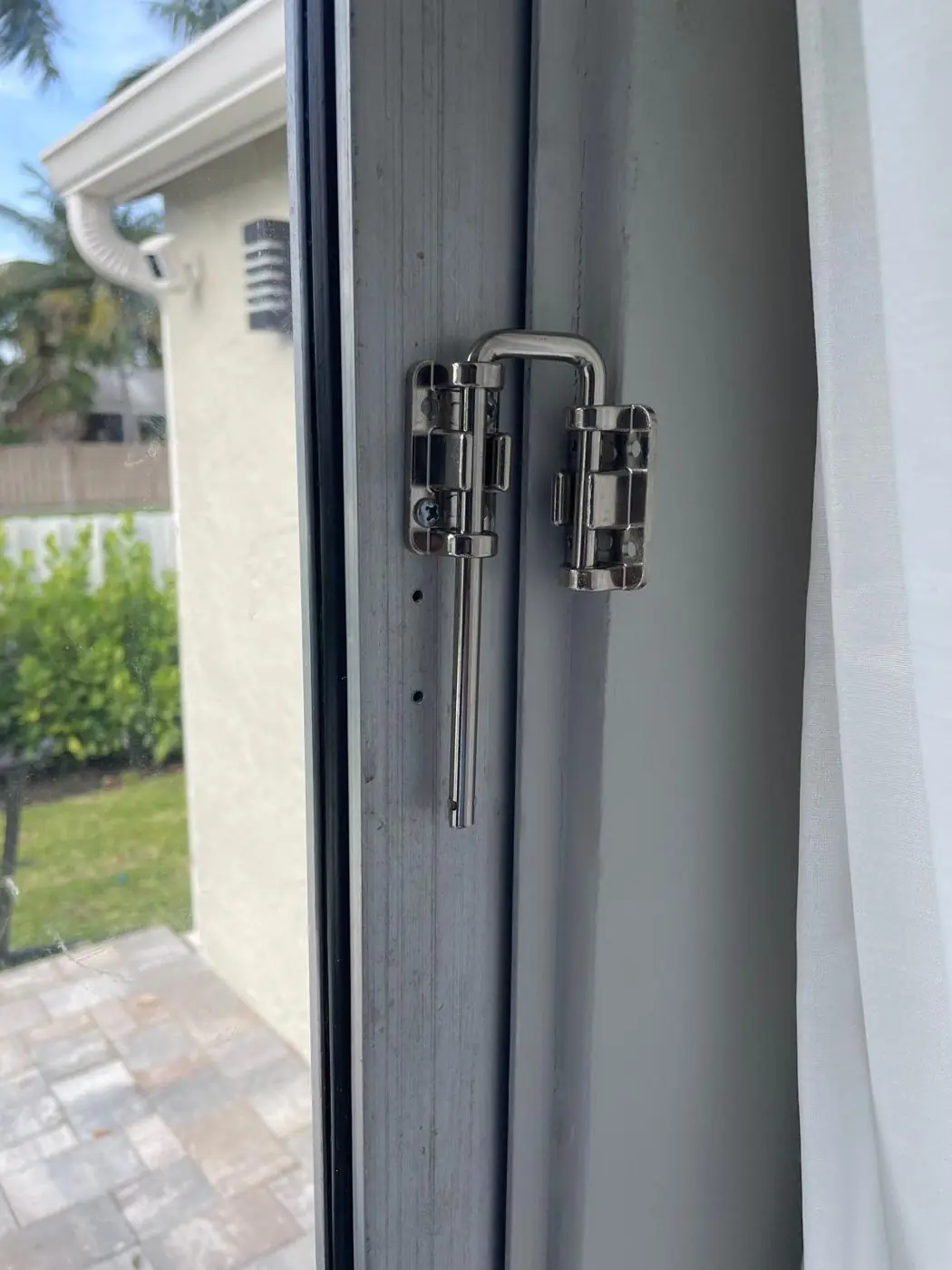
For the lock and latch: a lubricant made for locks or door hardware.
The right way to do it
Lubricant only works on a clean track. Here's the full routine:
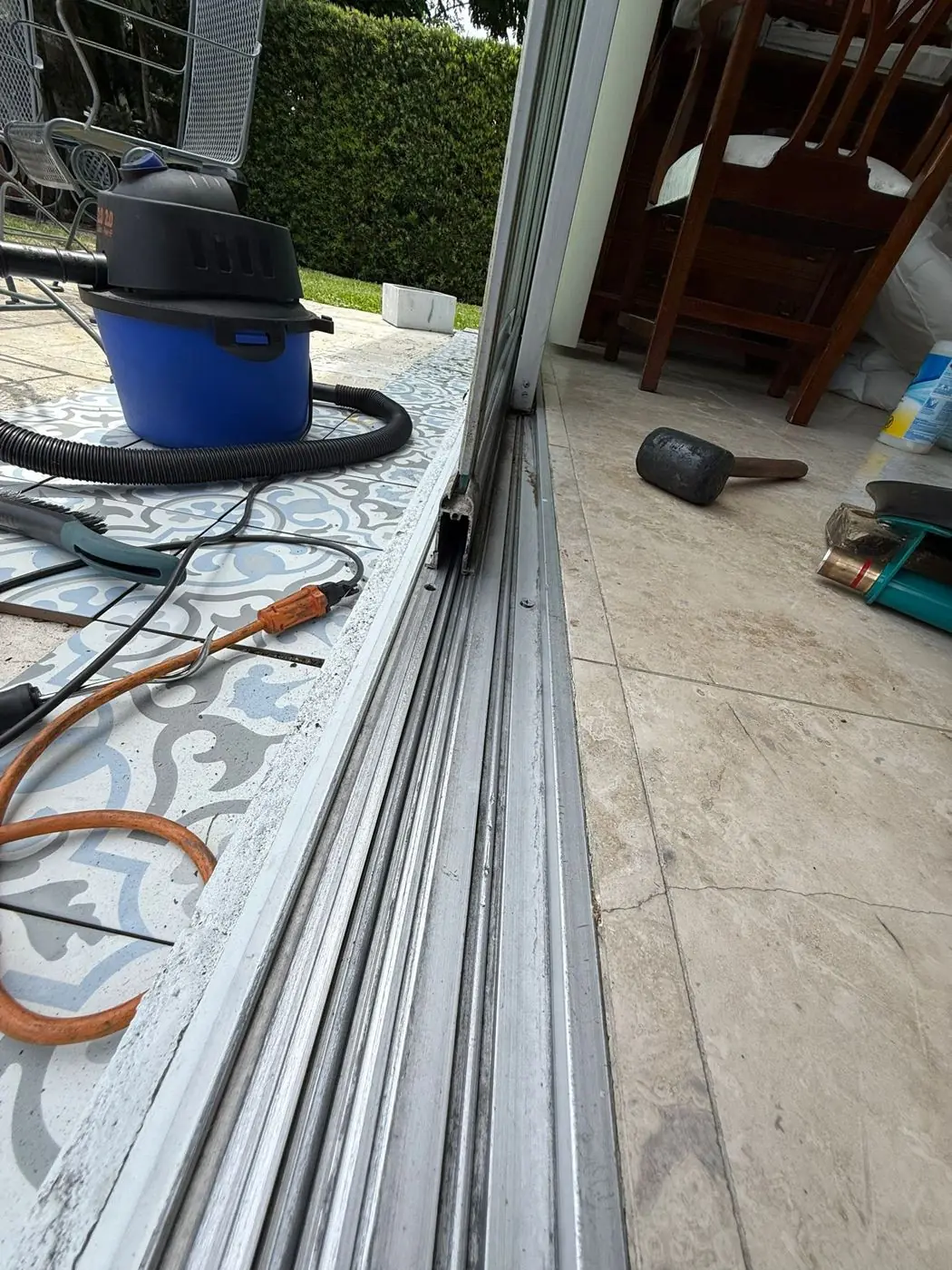
- Open the door all the way and vacuum the track
- Scrub out packed dirt with a stiff brush or old toothbrush
- Vacuum again, then wipe with a damp cloth
- Let it dry completely
- Spray a light coat of dry silicone on the rail the rollers ride on
- Slide the door back and forth 10 times
Our DIY Hub has a photo guide for this.
When lubricant won't help
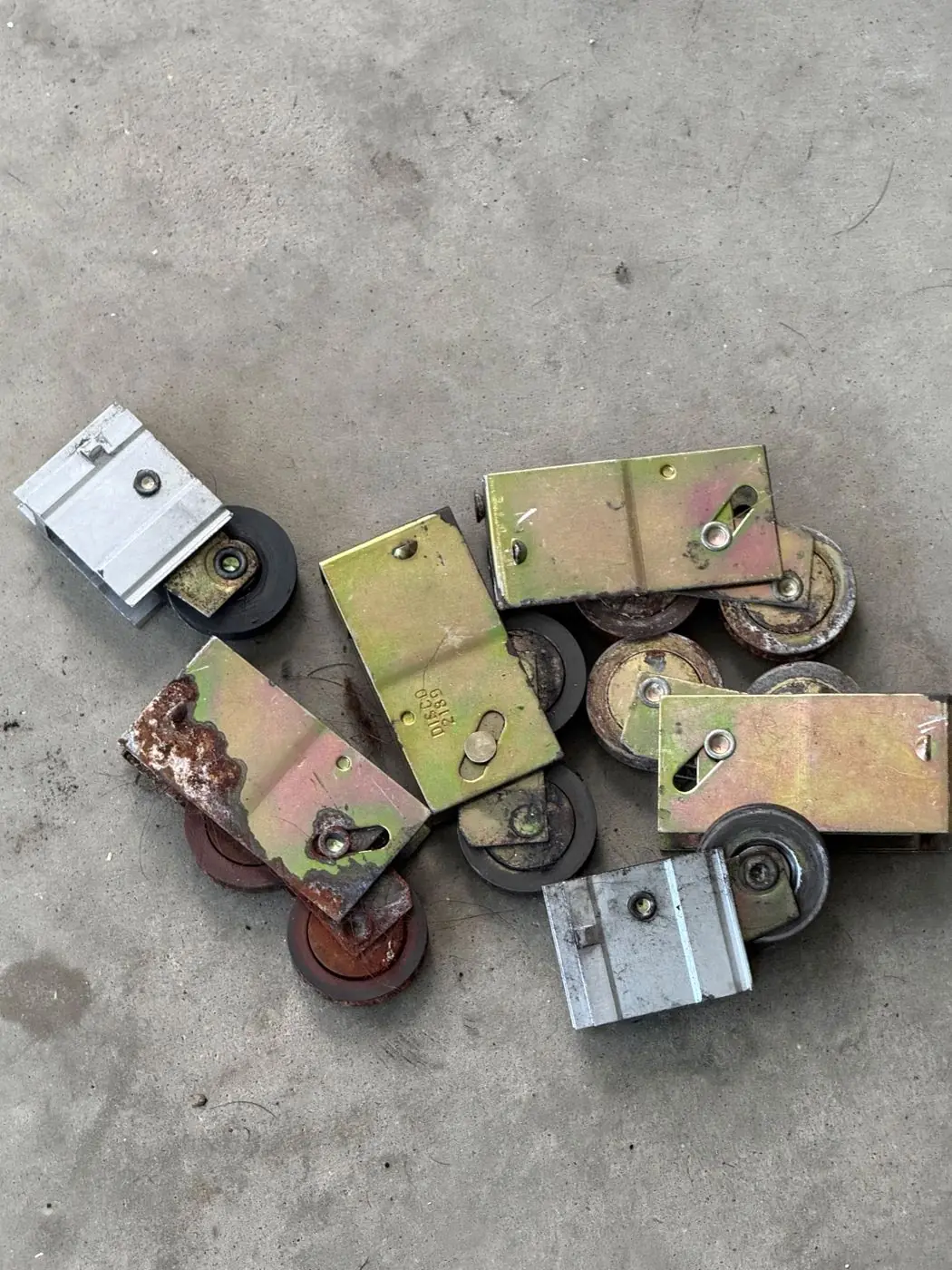
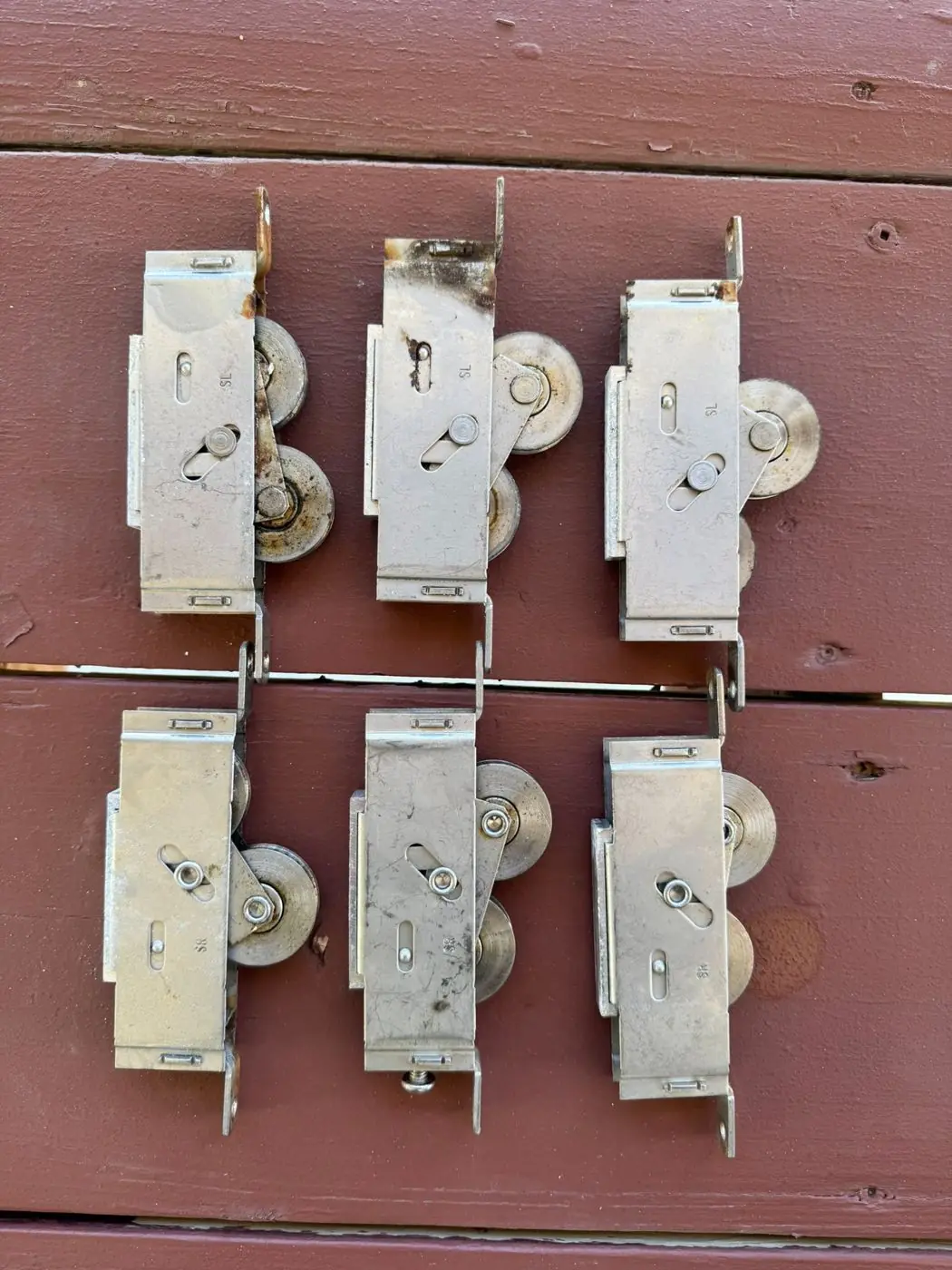
If the door still grinds or feels heavy after a good clean, the rollers are worn or broken. No spray will fix that. Roller replacement starts at $149, with a 6-month warranty.